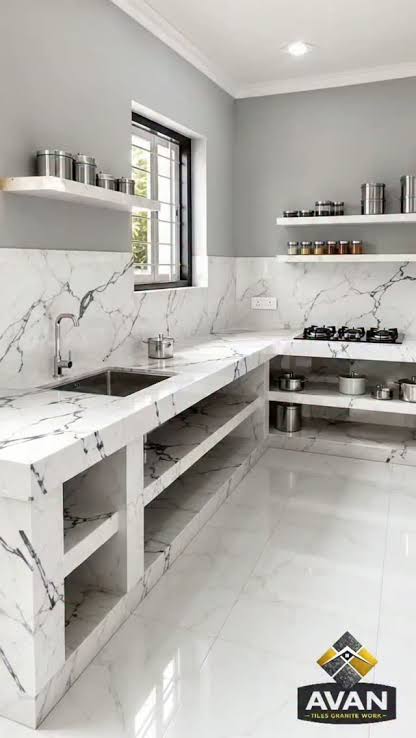
A clean and organized kitchen makes everyday household activities more enjoyable. It provides a comfortable environment for preparing meals, storing groceries, and spending time with family. However, keeping this busy space in good condition requires more than occasional deep cleaning. A few consistent habits, practical storage solutions, and suitable cleaning methods can help maintain a kitchen that looks attractive and functions efficiently.
The best way to maintain a tidy kitchen is to develop a simple daily routine. Washing dishes after meals, wiping countertops, and returning cooking utensils to their proper places can prevent mess from accumulating. Leaving dirty dishes overnight may create unpleasant odors and make the following morning more stressful. Spending a few minutes cleaning after cooking can make a noticeable difference without requiring a major effort.
Countertops deserve regular attention because they are used for food preparation throughout the day. Crumbs, spills, grease, and food residue can collect quickly, especially around the stove and sink. Using a suitable cleaner for the countertop material helps remove dirt without damaging the surface. Cutting boards should be washed properly after use, and raw meat should be handled separately from ready-to-eat foods to reduce the risk of cross-contamination.
Cabinets and drawers can become disorganized when kitchen items are stored without a clear arrangement. Dividers help keep cutlery separated, while small containers can organize cooking accessories and miscellaneous tools. Heavy pots and pans are usually easier to access in lower cabinets, whereas plates and glasses can be stored on convenient shelves. Arranging items according to how frequently they are used makes the entire kitchen more practical.
The refrigerator is another area that benefits from regular organization. Food should be stored in appropriate sections, with raw ingredients kept separate from ready-to-eat products. Sealed containers help prevent spills and reduce the spread of odors. Checking stored food regularly allows homeowners to use ingredients before they spoil. Cleaning refrigerator shelves and drawers also helps maintain a hygienic storage environment.
Kitchen appliances should not be overlooked during routine cleaning. Microwaves can collect food splashes, ovens may develop grease buildup, and refrigerators can accumulate dust around ventilation areas. Following manufacturer instructions is important because different appliances require different cleaning methods. Filters, removable trays, and accessible components should be cleaned or replaced according to the recommended maintenance schedule.
A well-maintained sink area can improve the overall cleanliness of the kitchen. Food particles should be removed from the drain strainer, and the sink should be rinsed after washing dishes. Faucets can develop water spots, so drying them with a soft cloth helps maintain their finish. Sponges and dishcloths should also be replaced or cleaned regularly because damp cleaning materials can develop unpleasant odors and harbor microorganisms.
Waste management plays an important role in keeping the kitchen fresh. A covered rubbish bin helps contain odors, while separate containers can make recycling easier. Food waste should be removed regularly, particularly during warmer weather. Washing the bin periodically and keeping the surrounding floor clean can prevent stains and unwanted pests. A convenient location for waste containers makes it easier for everyone in the household to follow the same routine.
Floor cleaning is essential because crumbs, dust, and liquid spills often collect in busy kitchen areas. Sweeping or vacuuming removes loose debris, while mopping helps remove sticky residue. The cleaning method should match the flooring material to avoid scratches, discoloration, or moisture damage. Spills should be cleaned promptly, especially near appliances and cabinets where moisture can cause long-term problems.
Good ventilation can also support a cleaner kitchen. Cooking releases steam, grease, and odors that may settle on walls, cabinets, and nearby surfaces. Using an extractor hood while cooking helps remove airborne particles and excess moisture. Cleaning its filters according to the manufacturer’s instructions supports proper airflow and reduces grease accumulation.
Keeping a kitchen organized does not require complicated systems or expensive products. Consistent cleaning, sensible storage, proper food handling, and regular appliance maintenance are usually enough to create a healthier and more comfortable space. When every household member follows a few simple habits, the kitchen becomes easier to manage and more enjoyable to use every day.