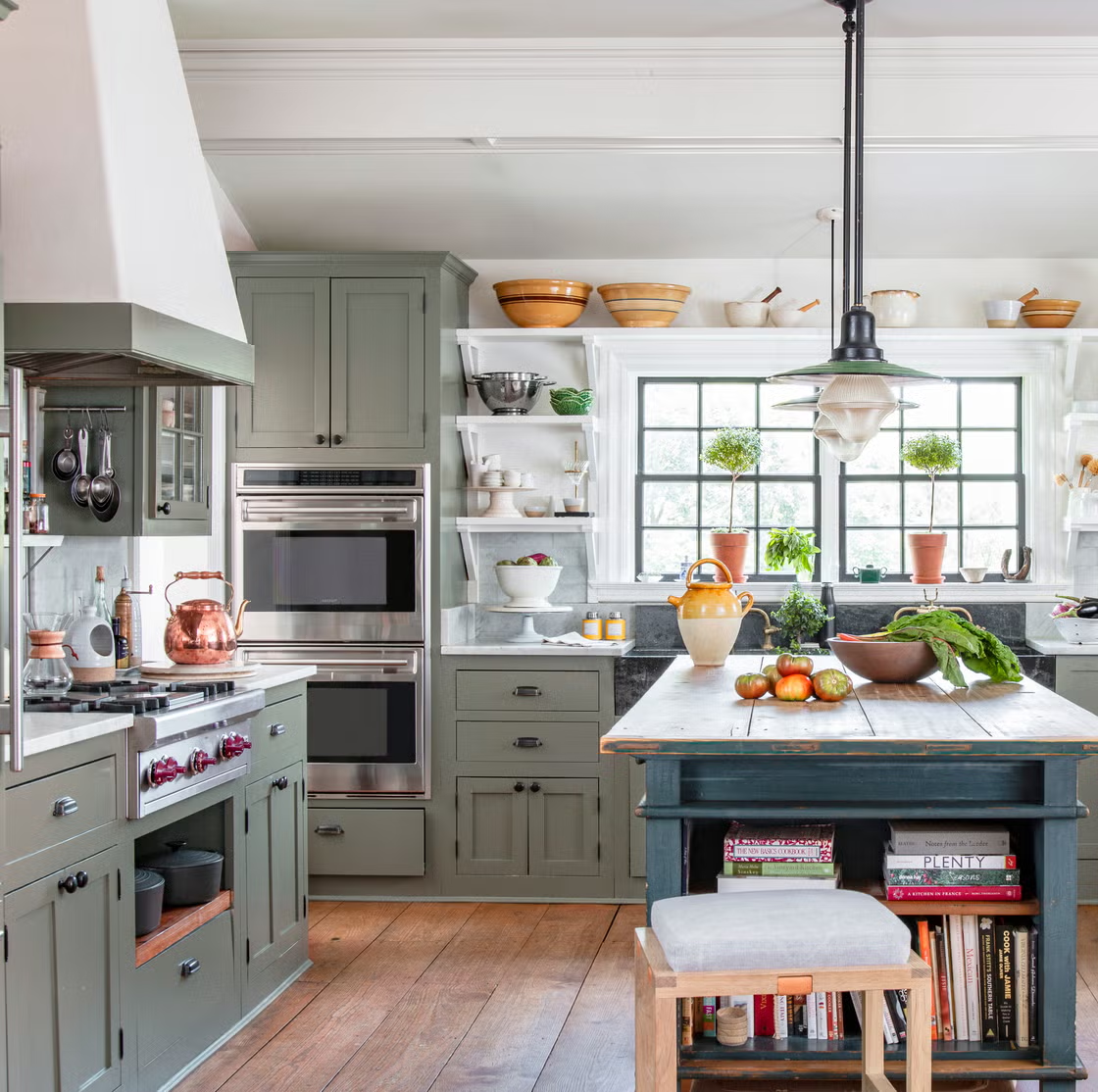
A small kitchen can be just as comfortable and attractive as a large one when its space is used wisely. Limited floor area often creates challenges with storage, movement, and food preparation, but thoughtful design choices can make the room feel more open and organized. Instead of focusing on its size, homeowners can concentrate on practical improvements that make everyday activities easier.
One effective way to improve a compact kitchen is to reduce unnecessary clutter. Appliances, cooking utensils, food containers, and decorative objects can quickly occupy every available surface. Keeping only frequently used items on the countertop creates more room for meal preparation. Small appliances that are used occasionally can be stored in cabinets or dedicated shelves. This simple approach makes the kitchen easier to clean and gives it a more spacious appearance.
Vertical storage is particularly useful when floor space is limited. Wall-mounted shelves, narrow cabinets, and hanging organizers can provide additional storage without making the room feel crowded. Items such as cups, spices, and everyday utensils can be arranged in accessible locations. However, open shelving should be organized carefully because too many visible objects can create a messy appearance. Combining a few open shelves with closed cabinets usually provides a practical balance.
Light colors can help a small kitchen feel brighter. White, cream, pale gray, and soft beige reflect light and create a clean atmosphere. These shades can be used for cabinets, walls, and backsplashes, while natural wood or darker handles introduce contrast. Glossy finishes may reflect additional light, although their suitability depends on cleaning preferences and the overall design. A consistent color scheme helps prevent the room from feeling visually crowded.
Lighting is another important factor in compact kitchen design. A single ceiling fixture may leave work areas in shadow, making cooking less convenient. Under-cabinet lights can brighten countertops, while recessed ceiling fixtures provide more even illumination. If the kitchen has a window, keeping the area around it clear can allow more natural light to enter. Bright and well-distributed lighting can make a noticeable difference in how spacious the room feels.
Choosing appropriately sized appliances can also improve the available layout. Oversized refrigerators and cooking equipment may take up valuable space that could otherwise be used for storage or preparation. Compact dishwashers, slim refrigerators, and smaller cooking appliances can be suitable alternatives for households with limited requirements. Before purchasing anything, measurements should be checked carefully to ensure that doors, drawers, and appliance panels can open without obstruction.
Multipurpose furniture offers another useful solution. A narrow island or movable kitchen cart can provide additional countertop space while also offering storage underneath. When extra room is needed, a movable cart can be repositioned or stored elsewhere. Folding tables and wall-mounted breakfast counters can provide occasional seating without permanently occupying the main walkway. The key is to choose furniture that supports daily activities without making movement difficult.
Cabinet interiors should be designed to use every available section efficiently. Pull-out baskets, drawer dividers, corner organizers, and adjustable shelves can make storage more accessible. Deep drawers are particularly useful for pots, pans, and larger cooking equipment. Frequently used ingredients should be stored at convenient heights, while seasonal items and rarely used appliances can be placed in less accessible spaces.
Flooring and backsplash materials should also be selected with maintenance in mind. A simple tile pattern can create a neat appearance, while larger tiles may reduce the number of visible grout lines. Light-colored flooring can complement a bright kitchen, although homeowners should consider how easily the chosen finish shows dirt and stains. Durable materials that are simple to clean are especially valuable in busy households.
Personal touches can make a small kitchen feel welcoming without taking up too much room. A compact herb planter near a window, a simple wall clock, or a carefully chosen pendant light can add character. It is better to use a few meaningful details than fill every available surface with decorations.
Improving a small kitchen is ultimately about making every feature serve a purpose. Better storage, suitable appliances, balanced lighting, and a consistent design can turn a limited space into a comfortable working environment. With careful planning, even modest changes can create a kitchen that feels more open, organized, and enjoyable to use.
Leave a Reply