Author: adm_al5v593e

  • How to Keep Your Kitchen Clean and Organized

    How to Keep Your Kitchen Clean and Organized

    A clean and organized kitchen makes everyday household activities more enjoyable. It provides a comfortable environment for preparing meals, storing groceries, and spending time with family. However, keeping this busy space in good condition requires more than occasional deep cleaning. A few consistent habits, practical storage solutions, and suitable cleaning methods can help maintain a kitchen that looks attractive and functions efficiently.

    The best way to maintain a tidy kitchen is to develop a simple daily routine. Washing dishes after meals, wiping countertops, and returning cooking utensils to their proper places can prevent mess from accumulating. Leaving dirty dishes overnight may create unpleasant odors and make the following morning more stressful. Spending a few minutes cleaning after cooking can make a noticeable difference without requiring a major effort.

    Countertops deserve regular attention because they are used for food preparation throughout the day. Crumbs, spills, grease, and food residue can collect quickly, especially around the stove and sink. Using a suitable cleaner for the countertop material helps remove dirt without damaging the surface. Cutting boards should be washed properly after use, and raw meat should be handled separately from ready-to-eat foods to reduce the risk of cross-contamination.

    Cabinets and drawers can become disorganized when kitchen items are stored without a clear arrangement. Dividers help keep cutlery separated, while small containers can organize cooking accessories and miscellaneous tools. Heavy pots and pans are usually easier to access in lower cabinets, whereas plates and glasses can be stored on convenient shelves. Arranging items according to how frequently they are used makes the entire kitchen more practical.

    The refrigerator is another area that benefits from regular organization. Food should be stored in appropriate sections, with raw ingredients kept separate from ready-to-eat products. Sealed containers help prevent spills and reduce the spread of odors. Checking stored food regularly allows homeowners to use ingredients before they spoil. Cleaning refrigerator shelves and drawers also helps maintain a hygienic storage environment.

    Kitchen appliances should not be overlooked during routine cleaning. Microwaves can collect food splashes, ovens may develop grease buildup, and refrigerators can accumulate dust around ventilation areas. Following manufacturer instructions is important because different appliances require different cleaning methods. Filters, removable trays, and accessible components should be cleaned or replaced according to the recommended maintenance schedule.

    A well-maintained sink area can improve the overall cleanliness of the kitchen. Food particles should be removed from the drain strainer, and the sink should be rinsed after washing dishes. Faucets can develop water spots, so drying them with a soft cloth helps maintain their finish. Sponges and dishcloths should also be replaced or cleaned regularly because damp cleaning materials can develop unpleasant odors and harbor microorganisms.

    Waste management plays an important role in keeping the kitchen fresh. A covered rubbish bin helps contain odors, while separate containers can make recycling easier. Food waste should be removed regularly, particularly during warmer weather. Washing the bin periodically and keeping the surrounding floor clean can prevent stains and unwanted pests. A convenient location for waste containers makes it easier for everyone in the household to follow the same routine.

    Floor cleaning is essential because crumbs, dust, and liquid spills often collect in busy kitchen areas. Sweeping or vacuuming removes loose debris, while mopping helps remove sticky residue. The cleaning method should match the flooring material to avoid scratches, discoloration, or moisture damage. Spills should be cleaned promptly, especially near appliances and cabinets where moisture can cause long-term problems.

    Good ventilation can also support a cleaner kitchen. Cooking releases steam, grease, and odors that may settle on walls, cabinets, and nearby surfaces. Using an extractor hood while cooking helps remove airborne particles and excess moisture. Cleaning its filters according to the manufacturer’s instructions supports proper airflow and reduces grease accumulation.

    Keeping a kitchen organized does not require complicated systems or expensive products. Consistent cleaning, sensible storage, proper food handling, and regular appliance maintenance are usually enough to create a healthier and more comfortable space. When every household member follows a few simple habits, the kitchen becomes easier to manage and more enjoyable to use every day.
  • Creating a Timeless Kitchen Design for Your Home

    Creating a Timeless Kitchen Design for Your Home

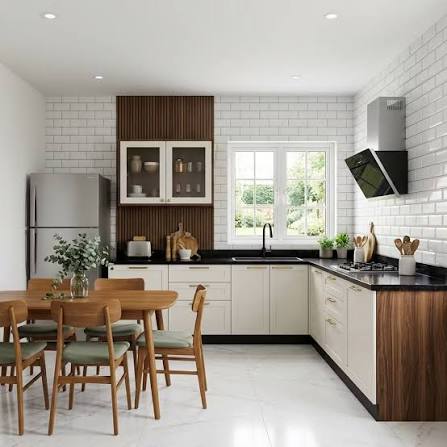
    A timeless kitchen combines lasting style with practical features that remain useful as household needs change. While design trends come and go, certain choices continue to look attractive because they focus on simplicity, comfort, and quality. Homeowners planning a new kitchen or updating an existing one can benefit from selecting finishes and layouts that will not feel outdated after a few years.

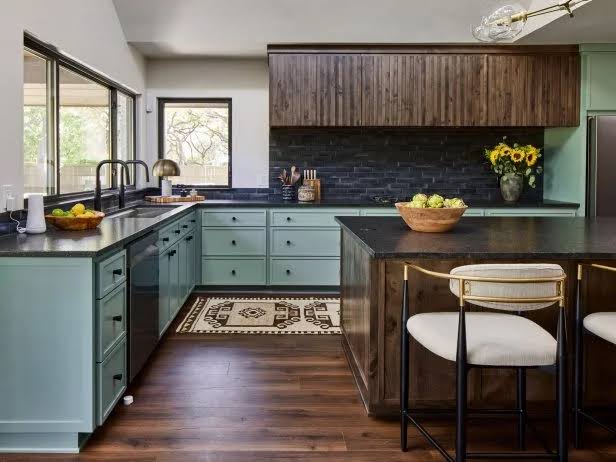
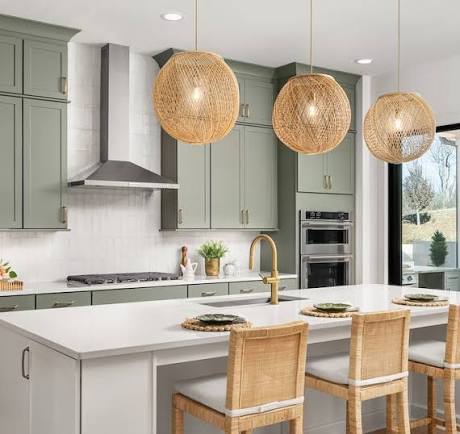
    A balanced color palette is a good starting point for a timeless interior. White, warm beige, soft gray, and natural wood tones provide a versatile foundation that works with different decorating styles. These shades can make the kitchen feel bright without creating an overly decorative appearance. Homeowners who prefer stronger colors can introduce them through accessories, stools, artwork, or small appliances that are easier to replace than permanent fixtures.

    Cabinet design has a major influence on the overall character of the kitchen. Simple cabinet doors with clean lines are generally easier to coordinate with changing interior styles. Shaker-style cabinets, for example, offer a traditional appearance that can also work in contemporary spaces. Natural wood finishes introduce warmth, while painted cabinets provide flexibility in color selection. Choosing durable hinges, handles, and drawer systems is equally important because cabinets experience frequent daily use.

    Natural materials can help create a welcoming atmosphere. Wood adds warmth to shelves, flooring, and selected cabinet details, while stone surfaces introduce texture and visual variation. However, every material has different maintenance requirements. Natural stone may need periodic sealing, and wooden surfaces can require protection against moisture. Understanding these needs before installation helps homeowners choose finishes that match their available maintenance time.

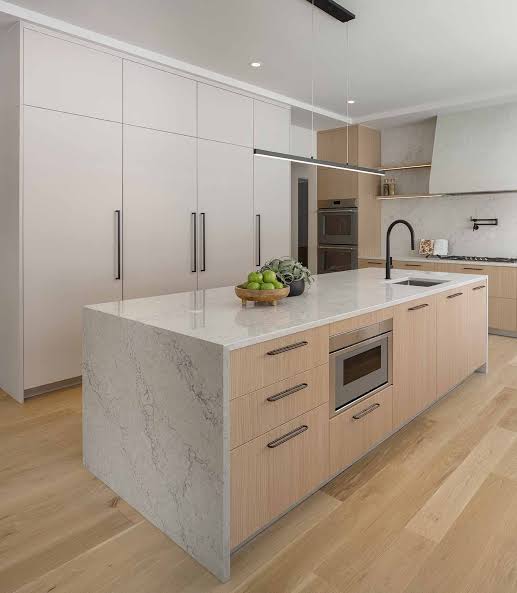
    The kitchen layout should be planned around comfort rather than appearance alone. A clear working route between the refrigerator, sink, and cooking area can make food preparation more efficient. Cabinets and appliances should be positioned so their doors can open without blocking walkways. In larger kitchens, an island may provide additional preparation space and casual seating. Smaller rooms may benefit more from a peninsula or a compact movable cart.

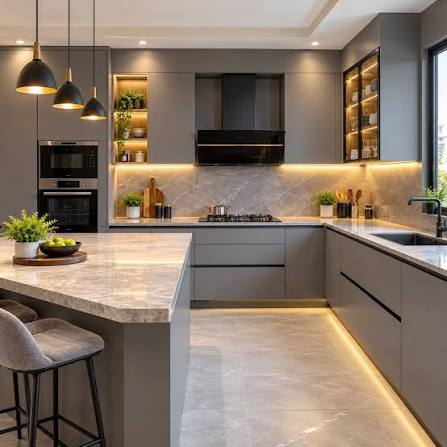
    Lighting is one of the most effective ways to improve a kitchen without changing its entire structure. A combination of ceiling lights, under-cabinet fixtures, and decorative pendants can provide illumination for different activities. Natural daylight should also be encouraged wherever possible. Window coverings that allow light into the room while maintaining privacy can make the kitchen feel more pleasant throughout the day.

    Storage solutions should be designed to support long-term organization. Deep drawers can accommodate cookware, while adjustable shelves make it easier to store items of different sizes. Pantry cabinets provide a dedicated location for groceries and dry ingredients. Built-in organizers can make corner spaces more accessible and reduce the amount of unused storage area. A well-organized kitchen is easier to clean and more comfortable to work in.

    Countertop selection should balance appearance, durability, and budget. Quartz, granite, solid-surface materials, and laminate are among the available options. Each has its own advantages, so homeowners should compare resistance to stains, heat, scratches, and everyday wear. A neutral countertop often offers greater flexibility because it can complement different cabinet colors and backsplash designs over time.

    A timeless kitchen also benefits from reliable appliances. Rather than selecting equipment based only on appearance, consider capacity, energy use, ease of cleaning, and available features. Stainless steel appliances remain a popular choice because they coordinate with many interior styles. Integrated appliances can create a streamlined appearance, although their installation and replacement costs should be considered before making a decision.

    Small decorative details can complete the design without overwhelming the room. Simple pendant lights, attractive cabinet handles, indoor herbs, and carefully selected accessories can introduce personality. Keeping decorations limited to a few meaningful pieces allows the kitchen’s materials and layout to remain the main focus.

    Ultimately, a timeless kitchen is created through thoughtful planning and practical decisions. Neutral colors, durable materials, efficient storage, balanced lighting, and a comfortable layout can provide a strong foundation for years of use. By prioritizing quality and everyday convenience over short-lived trends, homeowners can create a kitchen that continues to feel welcoming, attractive, and functional.

  • The Importance of Proper Food Storage in the Kitchen

    The Importance of Proper Food Storage in the Kitchen

    Food is an essential part of everyday life, and keeping it fresh and safe is an important household responsibility. Proper food storage helps maintain the quality of ingredients, prevents unnecessary waste, and protects families from foodborne illnesses. Every kitchen should have suitable storage practices to ensure that food remains safe and enjoyable for as long as possible.

    1. Keeping Food Fresh

    Different foods require different storage conditions. Fruits and vegetables often need cool, suitable environments to maintain their freshness. Some items, such as bananas, potatoes, and onions, are better stored in appropriate dry places rather than in the refrigerator.

    Understanding the storage requirements of different ingredients helps prevent early spoilage and preserves their natural taste and texture.

    2. Using the Refrigerator Properly

    A refrigerator is one of the most important appliances for preserving food. It slows down the growth of many harmful bacteria and helps keep perishable ingredients fresh.

    Milk, cooked meals, meat, and other foods that require refrigeration should be stored at suitable temperatures. The refrigerator should also be cleaned regularly to remove spills and prevent unpleasant smells.

    3. Organizing Dry Food Items

    Items such as flour, rice, lentils, sugar, pasta, and spices should be stored in clean, dry, airtight containers. These containers protect ingredients from moisture, insects, dust, and other contaminants.

    Proper labeling also makes it easier to identify ingredients and check their storage dates. Keeping similar items together helps maintain an organized pantry.

    4. Preventing Food Contamination

    Food contamination can occur when harmful bacteria spread from raw ingredients to ready-to-eat foods. Raw meat, poultry, and seafood should always be kept separate from cooked meals and fresh produce.

    Using clean containers and separate chopping boards helps reduce this risk. Hands, utensils, and food preparation surfaces should also be washed properly before and after handling raw ingredients.

    5. Understanding Expiration Dates

    Food labels provide useful information about product quality and safety. Checking expiration dates before purchasing or consuming packaged foods helps people make informed decisions.

    Older products should be used before newer ones whenever appropriate. This practice, commonly known as first in, first out, helps prevent forgotten ingredients from remaining unused in cupboards.

    6. Reducing Household Food Waste

    Proper food storage helps families make better use of their grocery purchases. When ingredients are stored correctly, they are less likely to spoil before being used.

    Leftover meals can be placed in suitable covered containers and refrigerated promptly. Families can also plan meals around ingredients that need to be consumed soon.

    7. Maintaining Clean Storage Areas

    Clean storage spaces are essential for protecting food from insects, rodents, and harmful microorganisms. Kitchen shelves, cupboards, refrigerators, and food containers should be cleaned regularly.

    Spilled ingredients should be removed immediately, and damaged or spoiled food should be discarded safely. A clean storage area makes food preparation easier and creates a healthier kitchen environment.

    Conclusion

    Proper food storage is an essential part of maintaining a safe and organized kitchen. By using suitable containers, maintaining correct refrigerator temperatures, preventing contamination, and checking food dates, families can protect their health and reduce unnecessary waste. Good storage habits also save money and help ensure that fresh ingredients are always available when needed.

  • The Benefits of Planning Meals in Advance

    The Benefits of Planning Meals in Advance

    Meal planning is a useful habit that helps people organize their daily cooking activities. Instead of deciding what to prepare at the last minute, families can plan their meals for several days in advance. This simple practice saves time, reduces food waste, controls expenses, and encourages healthier eating habits. With a little preparation, the kitchen can become more organized and daily cooking can feel less stressful.

    1. Saving Time Every Day

    One of the biggest benefits of meal planning is saving time. When people already know what they will cook, they do not have to spend extra time thinking about meals each day.

    They can prepare ingredients beforehand, wash vegetables, measure spices, and organize necessary cooking items. This makes the cooking process faster, especially during busy mornings and evenings.

    2. Reducing Food Waste

    Many households throw away food because they purchase more ingredients than they need. Meal planning helps prevent this problem by creating a clear list of required items.

    For example, if a family plans to prepare vegetable rice, lentils, and chicken curry during the week, they can purchase suitable quantities of ingredients. Proper planning also encourages people to use leftover vegetables and other foods before they spoil.

    3. Managing Household Expenses

    Food expenses can become difficult to manage without proper planning. Making a weekly meal schedule allows families to prepare a shopping list and purchase only necessary products.

    It also helps people avoid unnecessary shopping and expensive last-minute food orders. Choosing seasonal vegetables and affordable ingredients can make meal preparation more economical.

    4. Encouraging Healthy Eating

    Planning meals gives families more control over their daily diet. They can include vegetables, fruits, proteins, and whole grains in suitable quantities.

    Without planning, people may frequently choose fast food or unhealthy snacks because they do not have enough time to prepare proper meals. A balanced weekly schedule makes nutritious eating easier and more consistent.

    5. Providing Variety in Meals

    Eating the same dishes every day can become boring. Meal planning allows families to introduce different recipes and ingredients into their daily routine.

    For example, they can prepare lentils one day, vegetable pulao another day, and homemade chicken or fish on a different day. Adding variety makes meals more enjoyable and introduces family members to different flavors.

    6. Making Grocery Shopping Easier

    A meal schedule helps people prepare an organized grocery list. Instead of visiting the market several times during the week, they can purchase many necessary ingredients in one trip.

    This saves transportation costs and reduces unnecessary shopping. It also helps shoppers compare prices and choose products that provide better value.

    7. Reducing Daily Stress

    Deciding what to cook every day can sometimes create unnecessary pressure, particularly for people with busy schedules. Meal planning removes much of this uncertainty.

    When ingredients and recipes are already selected, families can approach cooking with greater confidence. Everyone can also participate by suggesting meals and sharing preparation responsibilities.

    Conclusion

    Planning meals in advance is a simple but effective way to improve everyday kitchen management. It saves time, reduces food waste, controls household expenses, and supports healthier eating. By creating a practical weekly meal schedule, families can enjoy more organized cooking routines and make better use of their available resources.

  • Choosing the Right Materials for Your Kitchen

    Choosing the Right Materials for Your Kitchen

    The materials used in a kitchen influence its appearance, durability, and maintenance requirements. Since this room experiences regular cooking, cleaning, moisture, and temperature changes, every surface should be selected with care. Attractive finishes can improve the overall design, but practical performance is equally important. By comparing different materials before starting a renovation, homeowners can create a kitchen that remains beautiful and dependable for years.

    Cabinet materials are among the first decisions to consider. Solid wood offers a natural appearance and can often be refinished when its surface becomes worn. Plywood is commonly used for cabinet boxes because it provides good structural strength when properly manufactured. Medium-density fiberboard, often called MDF, creates smooth surfaces that work well with painted finishes. Each option has different costs and characteristics, so the right selection depends on the budget, design preference, and expected use.

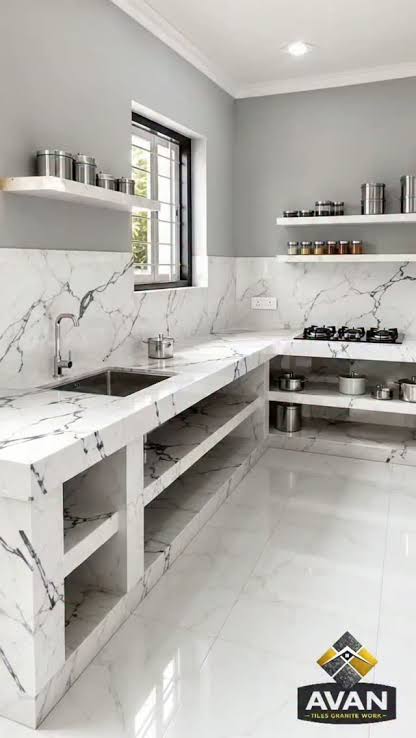
    Countertops require a different type of consideration because they receive constant contact with food, cookware, liquids, and cleaning products. Quartz surfaces are popular for their consistent patterns and relatively low maintenance. Granite provides natural variations that make every slab distinctive, although sealing may be recommended depending on the stone. Laminate is generally more affordable and comes in many colors and patterns. Homeowners should compare heat resistance, stain resistance, repair possibilities, and installation requirements before choosing a surface.

    Flooring must be strong enough to handle heavy appliances, frequent movement, and accidental spills. Porcelain tile is widely used because it is durable and has low water absorption. Ceramic tile offers a variety of decorative designs and can be suitable for many residential kitchens. Luxury vinyl flooring provides another option for homeowners who prefer a softer surface underfoot. Proper installation and suitable underlayment are important because even durable flooring can develop problems when the base is not prepared correctly.

    The backsplash is an opportunity to introduce texture and visual interest while protecting the wall behind the sink and cooking area. Ceramic and porcelain tiles are popular because they are available in many sizes, colors, and patterns. Glass tiles can create a bright appearance by reflecting light, while natural stone offers a more distinctive finish. The selected material should complement the countertop and cabinets rather than compete with them. Grout color also matters because it affects the final appearance and cleaning requirements.

    Kitchen sinks are available in stainless steel, composite granite, fireclay, and other materials. Stainless steel remains a common choice because it is practical, lightweight, and compatible with many kitchen styles. Composite sinks can provide a different appearance and may offer good resistance to everyday wear. Fireclay sinks are valued for their traditional look, although their weight and installation requirements should be considered. The size and depth of the sink should match the available cabinet space and household needs.

    Cabinet hardware may appear to be a small detail, but it contributes to both appearance and usability. Handles and knobs are available in stainless steel, brass, bronze, black finishes, and other materials. Durable hardware should feel comfortable to hold and operate smoothly. Matching every finish is not always necessary, but choosing complementary styles can help the kitchen look more coordinated.

    Paint and wall finishes also deserve attention. Kitchen walls may be exposed to steam, grease, and frequent cleaning, particularly near cooking and washing areas. Washable paint with an appropriate finish can make routine maintenance easier. Before painting, surfaces should be cleaned and prepared properly to help the new coating adhere evenly. Choosing a wall color that works with the cabinets, flooring, and natural lighting creates a more balanced interior.

    Sustainability is becoming an important consideration in kitchen renovations. Homeowners may explore responsibly sourced wood, recycled-content surfaces, durable flooring, and energy-efficient appliances. Choosing long-lasting materials can reduce the need for frequent replacements and help control future expenses. Product certifications and manufacturer information can provide useful details about material composition and environmental performance.

    The best kitchen materials are not necessarily the most expensive options. A sensible combination of durable cabinets, practical countertops, easy-to-clean flooring, and suitable fixtures can deliver excellent results within different budgets. Careful comparison, accurate measurements, and professional installation where necessary help protect the investment. With the right materials, a kitchen can become a comfortable, attractive, and reliable part of everyday home life.

  • The Role of the Kitchen in Family Life

    The Role of the Kitchen in Family Life

    The kitchen is more than a place where meals are prepared. It is an important part of family life where people share experiences, learn new skills, and build lasting memories. From preparing breakfast in the morning to enjoying dinner together in the evening, the kitchen brings family members closer and supports their everyday needs.

    1. A Place for Family Togetherness

    The kitchen often becomes a natural gathering place for family members. Parents prepare meals while children share stories about school, work, and their daily activities.

    These simple conversations help families stay connected. Even spending a few minutes together while preparing food can strengthen relationships and create a friendly atmosphere at home.

    2. Teaching Children Useful Skills

    The kitchen provides an excellent opportunity for children to learn practical life skills. Parents can teach them how to wash vegetables, measure ingredients, prepare simple snacks, and clean cooking utensils.

    These activities encourage independence and responsibility. Children also develop patience, creativity, and confidence when they participate in preparing meals.

    3. Preserving Family Traditions

    Many families have special recipes that are passed from one generation to another. Traditional dishes often remind people of their childhood, grandparents, and important family celebrations.

    Preparing these recipes together helps preserve cultural traditions. It also allows younger family members to understand the history and meaning behind their family’s favorite foods.

    4. Encouraging Healthy Family Habits

    Home cooking gives families greater control over the ingredients used in their meals. They can include fresh vegetables, fruits, whole grains, and other nutritious foods.

    When family members prepare meals together, they become more aware of healthy eating habits. Parents can also encourage children to try different foods and develop balanced diets.

    5. Developing Teamwork

    Running a kitchen requires cooperation. One person may prepare ingredients, another may cook, and someone else may arrange the table or wash dishes.

    Sharing these responsibilities teaches family members the importance of teamwork. It also prevents one person from carrying the entire burden of household work.

    6. Creating Memories Through Cooking

    Some of the happiest family memories are created during ordinary kitchen activities. Baking a cake for a birthday, preparing special food for guests, or making traditional dishes during holidays can become memorable experiences.

    Sometimes mistakes happen, recipes turn out differently, or everyone laughs at an unexpected cooking result. These moments make family life enjoyable and meaningful.

    7. Providing Comfort and Hospitality

    The kitchen also plays an important role in welcoming guests. Offering homemade food, tea, or refreshments is a common way of showing kindness and hospitality.

    A warm meal can make visitors feel comfortable and appreciated. In many households, sharing food is an important expression of friendship, respect, and generosity.

    Conclusion

    The kitchen plays a valuable role in creating a happy and connected family environment. It provides opportunities for communication, teamwork, learning, and preserving traditions. Although cooking is its main purpose, the kitchen also serves as a place where relationships grow and beautiful memories are created. A welcoming kitchen can truly become the heart of a home.

  • Modern Kitchen Features for Everyday Living

    Modern Kitchen Features for Everyday Living

    A modern kitchen should make daily routines simpler while providing a comfortable place for cooking and spending time together. Its design is not only about fashionable cabinets or expensive appliances. The most successful kitchens combine thoughtful layouts, useful storage, reliable materials, and attractive details that suit the needs of the household. Even a modest kitchen can benefit from modern features when each improvement has a clear purpose.

    One feature that can improve everyday convenience is a well-organized cooking zone. Keeping pots, pans, cooking utensils, and essential ingredients close to the stove reduces unnecessary movement during meal preparation. A drawer for frequently used tools can prevent clutter from collecting on the countertop. Heat-resistant surfaces and suitable space around cooking appliances also help create a safer working environment.

    A dedicated preparation area is equally important. Chopping vegetables, mixing ingredients, and arranging meals require a clean and comfortable surface. If the kitchen has limited countertop space, a fitted chopping board or pull-out worktop can provide additional room when needed. Homeowners should avoid placing too many small appliances in this area because clear surfaces make cooking more convenient.

    Modern kitchen faucets offer several practical features that can improve the washing area. Pull-down spray heads make it easier to rinse vegetables and clean larger pots, while single-handle controls allow quick adjustments to water temperature. Some models include touchless operation, which can be helpful when hands are covered with food. Before choosing a faucet, it is important to check the sink configuration and available plumbing connections.

    A well-designed refrigerator area can also improve kitchen organization. The refrigerator should have enough clearance for its doors and drawers to open fully. Nearby countertop space is useful for placing groceries before organizing them. Inside the refrigerator, clear containers and separate storage sections can help keep ingredients visible and reduce food waste. Regularly checking expiration dates and arranging older items toward the front makes household food management easier.

    Another useful modern feature is a built-in charging station. Many households use phones, tablets, and other electronic devices while preparing meals or following recipes. A designated charging drawer or cabinet can keep cables and devices away from wet countertops and cooking areas. Electrical installation should be completed safely by a qualified professional, particularly when adding new outlets or modifying existing wiring.

    Kitchen ventilation deserves attention because cooking can release steam, smoke, grease, and strong odors. A properly selected range hood helps remove these pollutants and improves indoor comfort. Its size and extraction capacity should match the cooking equipment and kitchen layout. Filters also need regular cleaning or replacement according to the manufacturer’s instructions to maintain effective performance.

    Sustainable choices can make a kitchen more efficient over time. LED lighting consumes less electricity than many older lighting options, while water-efficient faucets and dishwashers can help reduce water consumption. Durable materials may also reduce the need for frequent replacement. Homeowners can further limit waste by using reusable food containers, organizing groceries carefully, and creating a convenient recycling area.

    The dining section should feel connected to the kitchen without interfering with the cooking space. A small breakfast counter can provide a convenient place for quick meals, while a separate dining table may be more suitable for larger households. Choosing comfortable seating and leaving enough room for people to move around helps make the area welcoming. Lighting above the dining space can create a pleasant atmosphere for family meals.

    Maintenance should remain part of every kitchen design decision. Smooth cabinet finishes, durable countertops, accessible storage, and easy-to-clean flooring can reduce the effort required to keep the room tidy. Regularly checking plumbing connections, appliance filters, cabinet hinges, and ventilation equipment can also help identify problems early.

    A modern kitchen does not need to follow every new trend to remain attractive and useful. Its real value comes from features that make cooking, cleaning, and organizing easier. By focusing on practical improvements and selecting materials that suit everyday demands, homeowners can create a kitchen that offers lasting comfort, efficiency, and style.

  • The Importance of Kitchen Safety in Everyday Life

    The Importance of Kitchen Safety in Everyday Life

    The kitchen is one of the busiest places in a home. People use it every day to prepare meals, wash dishes, store food, and spend time with family. However, kitchens also contain sharp objects, hot surfaces, electrical appliances, and other potential hazards. Kitchen safety is therefore essential for protecting everyone in the household and preventing accidents.

    1. Preventing Cuts and Injuries

    Knives, peelers, scissors, and other sharp utensils are common kitchen tools. Although they make food preparation easier, careless handling can cause serious injuries. Always use sharp knives carefully, cut food on a stable chopping board, and keep sharp objects away from children.

    It is also important to store knives in a knife block or another secure place rather than leaving them loose in drawers.

    2. Avoiding Burns and Scalds

    Hot pots, boiling water, frying oil, and heated ovens can cause painful burns. Always use dry oven mitts when handling hot cookware. Wet cloths should never be used to hold hot pans because moisture can transfer heat quickly.

    When cooking, turn pot handles inward so they cannot be accidentally knocked over. Keep children away from hot stoves and boiling liquids.

    3. Maintaining Electrical Safety

    Modern kitchens contain many electrical appliances, including refrigerators, microwaves, blenders, and electric kettles. These appliances make everyday tasks easier, but they must be used correctly.

    Never touch electrical switches or appliances with wet hands. Keep electrical cords away from water and hot surfaces. If an appliance has a damaged wire or plug, stop using it until it has been properly repaired or replaced.

    4. Preventing Kitchen Fires

    Kitchen fires can happen when cooking oil becomes too hot, food is left unattended, or flammable materials are placed near flames. Never leave active cooking unattended for long periods.

    Keep paper towels, plastic bags, and kitchen cloths away from burners. If cooking oil catches fire, never pour water on it. Turn off the heat if it is safe to do so and cover the pan with a suitable metal lid. Leave the area and contact emergency services if the fire cannot be controlled safely.

    5. Practicing Food Safety

    Food safety is another important part of kitchen safety. Raw meat, poultry, and seafood can contain harmful bacteria that may spread to other foods.

    Wash your hands before preparing meals and after handling raw ingredients. Use separate chopping boards for raw meat and vegetables. Cook food thoroughly and refrigerate perishable items promptly to reduce the risk of food poisoning.

    6. Keeping Cleaning Products Safe

    Many kitchen cleaning products contain chemicals that can be harmful if swallowed or improperly handled. Store detergents, disinfectants, and other cleaning supplies in their original containers.

    Keep these products away from food, cooking utensils, and children’s reach. Never mix cleaning chemicals unless the product instructions specifically say it is safe, as certain combinations can release dangerous gases.

    7. Teaching Children Kitchen Safety

    Children often enjoy helping adults prepare meals. Simple activities, such as washing vegetables or arranging ingredients, can help them learn useful skills.

    However, adults should supervise children closely. Keep matches, knives, hot cookware, and cleaning chemicals out of their reach. Teaching basic safety rules from an early age helps children develop responsible habits.

    Conclusion

    Kitchen safety is an important responsibility in every household. By handling sharp tools carefully, avoiding burns, using electrical appliances properly, preventing fires, and practicing good food hygiene, families can reduce everyday risks. A safe kitchen creates a healthier and more comfortable environment where everyone can prepare and enjoy meals with confidence.

  • Small Kitchen Improvements That Make a Big Difference

    Small Kitchen Improvements That Make a Big Difference

    A small kitchen can be just as comfortable and attractive as a large one when its space is used wisely. Limited floor area often creates challenges with storage, movement, and food preparation, but thoughtful design choices can make the room feel more open and organized. Instead of focusing on its size, homeowners can concentrate on practical improvements that make everyday activities easier.

    One effective way to improve a compact kitchen is to reduce unnecessary clutter. Appliances, cooking utensils, food containers, and decorative objects can quickly occupy every available surface. Keeping only frequently used items on the countertop creates more room for meal preparation. Small appliances that are used occasionally can be stored in cabinets or dedicated shelves. This simple approach makes the kitchen easier to clean and gives it a more spacious appearance.

    Vertical storage is particularly useful when floor space is limited. Wall-mounted shelves, narrow cabinets, and hanging organizers can provide additional storage without making the room feel crowded. Items such as cups, spices, and everyday utensils can be arranged in accessible locations. However, open shelving should be organized carefully because too many visible objects can create a messy appearance. Combining a few open shelves with closed cabinets usually provides a practical balance.

    Light colors can help a small kitchen feel brighter. White, cream, pale gray, and soft beige reflect light and create a clean atmosphere. These shades can be used for cabinets, walls, and backsplashes, while natural wood or darker handles introduce contrast. Glossy finishes may reflect additional light, although their suitability depends on cleaning preferences and the overall design. A consistent color scheme helps prevent the room from feeling visually crowded.

    Lighting is another important factor in compact kitchen design. A single ceiling fixture may leave work areas in shadow, making cooking less convenient. Under-cabinet lights can brighten countertops, while recessed ceiling fixtures provide more even illumination. If the kitchen has a window, keeping the area around it clear can allow more natural light to enter. Bright and well-distributed lighting can make a noticeable difference in how spacious the room feels.

    Choosing appropriately sized appliances can also improve the available layout. Oversized refrigerators and cooking equipment may take up valuable space that could otherwise be used for storage or preparation. Compact dishwashers, slim refrigerators, and smaller cooking appliances can be suitable alternatives for households with limited requirements. Before purchasing anything, measurements should be checked carefully to ensure that doors, drawers, and appliance panels can open without obstruction.

    Multipurpose furniture offers another useful solution. A narrow island or movable kitchen cart can provide additional countertop space while also offering storage underneath. When extra room is needed, a movable cart can be repositioned or stored elsewhere. Folding tables and wall-mounted breakfast counters can provide occasional seating without permanently occupying the main walkway. The key is to choose furniture that supports daily activities without making movement difficult.

    Cabinet interiors should be designed to use every available section efficiently. Pull-out baskets, drawer dividers, corner organizers, and adjustable shelves can make storage more accessible. Deep drawers are particularly useful for pots, pans, and larger cooking equipment. Frequently used ingredients should be stored at convenient heights, while seasonal items and rarely used appliances can be placed in less accessible spaces.

    Flooring and backsplash materials should also be selected with maintenance in mind. A simple tile pattern can create a neat appearance, while larger tiles may reduce the number of visible grout lines. Light-colored flooring can complement a bright kitchen, although homeowners should consider how easily the chosen finish shows dirt and stains. Durable materials that are simple to clean are especially valuable in busy households.

    Personal touches can make a small kitchen feel welcoming without taking up too much room. A compact herb planter near a window, a simple wall clock, or a carefully chosen pendant light can add character. It is better to use a few meaningful details than fill every available surface with decorations.

    Improving a small kitchen is ultimately about making every feature serve a purpose. Better storage, suitable appliances, balanced lighting, and a consistent design can turn a limited space into a comfortable working environment. With careful planning, even modest changes can create a kitchen that feels more open, organized, and enjoyable to use.

  • The Art of Cooking: Turning Simple Ingredients into Delicious Meals

    The Art of Cooking: Turning Simple Ingredients into Delicious Meals

    Cooking is an essential life skill that brings creativity, enjoyment, and nourishment into everyday life. It allows people to transform simple ingredients into delicious meals for themselves and their families. From preparing traditional dishes to experimenting with modern recipes, cooking offers endless opportunities to learn new skills. A well-organized kitchen makes this activity easier, safer, and more enjoyable.

    1. Understanding Basic Cooking Skills

    Every good cook begins by learning basic kitchen skills. These include washing vegetables, chopping ingredients, measuring quantities, mixing mixtures, and controlling cooking temperatures.

    Learning these techniques helps people prepare meals more confidently. With regular practice, even beginners can develop the ability to cook a variety of dishes.

    2. The Importance of Fresh Ingredients

    Fresh ingredients play an important role in the taste and quality of food. Vegetables, fruits, herbs, spices, and other natural ingredients add flavor, color, and nutritional value to meals.

    Selecting seasonal ingredients can also make cooking more affordable. Fresh produce should be washed properly and stored under suitable conditions to maintain its quality.

    3. Exploring Traditional Recipes

    Every culture has its own traditional dishes that reflect its history and lifestyle. In Pakistan, popular foods include biryani, pulao, daal, karahi, nihari, and different types of homemade bread.

    Preparing traditional recipes helps families preserve cultural traditions and pass cooking knowledge from one generation to another. It also creates opportunities for family members to cook and eat together.

    4. Experimenting with New Flavors

    Cooking becomes more exciting when people explore different ingredients and flavors. Herbs, spices, sauces, and seasonings can transform ordinary meals into something special.

    Trying recipes from different cultures can introduce new cooking techniques and food combinations. However, experimenting with ingredients should always consider personal preferences and nutritional needs.

    5. Learning Healthy Cooking Techniques

    Healthy cooking does not mean sacrificing flavor. People can prepare delicious meals by using suitable methods such as steaming, grilling, baking, and boiling.

    Including vegetables, pulses, whole grains, and appropriate protein sources helps create balanced meals. Using moderate amounts of salt, sugar, and cooking oil can also support healthier eating habits.

    6. Cooking as a Creative Activity

    Cooking allows people to express their creativity through presentation, decoration, and flavor combinations. Arranging food attractively can make meals more enjoyable.

    People can also experiment with recipes by adjusting ingredients and trying different cooking methods. This creative process helps develop confidence and problem-solving skills.

    7. The Importance of Kitchen Safety

    A safe kitchen is necessary for successful cooking. Sharp knives, hot pans, boiling liquids, and electrical appliances must be handled carefully.

    People should keep their working areas clean, wash their hands before preparing food, and avoid leaving cooking unattended. Proper safety habits reduce the risk of accidents and food contamination.

    8. Sharing Food Brings People Together

    Food has a special ability to connect people. Preparing meals for family members, friends, and guests creates opportunities for communication and shared experiences.

    Family cooking activities also allow children to learn useful skills and appreciate the effort involved in preparing meals. Sharing homemade food can strengthen relationships and create lasting memories.

    Conclusion

    Cooking is much more than preparing food; it is a valuable skill that combines creativity, culture, health, and family connection. By learning basic techniques, choosing fresh ingredients, exploring recipes, and following safety practices, anyone can become a better cook. A kitchen filled with creativity and care can turn ordinary ingredients into memorable meals and make everyday life more enjoyable.