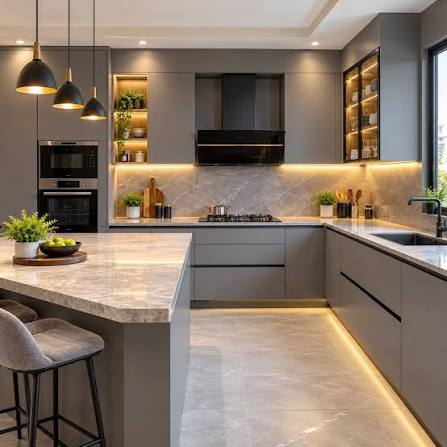
The materials used in a kitchen influence its appearance, durability, and maintenance requirements. Since this room experiences regular cooking, cleaning, moisture, and temperature changes, every surface should be selected with care. Attractive finishes can improve the overall design, but practical performance is equally important. By comparing different materials before starting a renovation, homeowners can create a kitchen that remains beautiful and dependable for years.
Cabinet materials are among the first decisions to consider. Solid wood offers a natural appearance and can often be refinished when its surface becomes worn. Plywood is commonly used for cabinet boxes because it provides good structural strength when properly manufactured. Medium-density fiberboard, often called MDF, creates smooth surfaces that work well with painted finishes. Each option has different costs and characteristics, so the right selection depends on the budget, design preference, and expected use.
Countertops require a different type of consideration because they receive constant contact with food, cookware, liquids, and cleaning products. Quartz surfaces are popular for their consistent patterns and relatively low maintenance. Granite provides natural variations that make every slab distinctive, although sealing may be recommended depending on the stone. Laminate is generally more affordable and comes in many colors and patterns. Homeowners should compare heat resistance, stain resistance, repair possibilities, and installation requirements before choosing a surface.
Flooring must be strong enough to handle heavy appliances, frequent movement, and accidental spills. Porcelain tile is widely used because it is durable and has low water absorption. Ceramic tile offers a variety of decorative designs and can be suitable for many residential kitchens. Luxury vinyl flooring provides another option for homeowners who prefer a softer surface underfoot. Proper installation and suitable underlayment are important because even durable flooring can develop problems when the base is not prepared correctly.
The backsplash is an opportunity to introduce texture and visual interest while protecting the wall behind the sink and cooking area. Ceramic and porcelain tiles are popular because they are available in many sizes, colors, and patterns. Glass tiles can create a bright appearance by reflecting light, while natural stone offers a more distinctive finish. The selected material should complement the countertop and cabinets rather than compete with them. Grout color also matters because it affects the final appearance and cleaning requirements.
Kitchen sinks are available in stainless steel, composite granite, fireclay, and other materials. Stainless steel remains a common choice because it is practical, lightweight, and compatible with many kitchen styles. Composite sinks can provide a different appearance and may offer good resistance to everyday wear. Fireclay sinks are valued for their traditional look, although their weight and installation requirements should be considered. The size and depth of the sink should match the available cabinet space and household needs.
Cabinet hardware may appear to be a small detail, but it contributes to both appearance and usability. Handles and knobs are available in stainless steel, brass, bronze, black finishes, and other materials. Durable hardware should feel comfortable to hold and operate smoothly. Matching every finish is not always necessary, but choosing complementary styles can help the kitchen look more coordinated.
Paint and wall finishes also deserve attention. Kitchen walls may be exposed to steam, grease, and frequent cleaning, particularly near cooking and washing areas. Washable paint with an appropriate finish can make routine maintenance easier. Before painting, surfaces should be cleaned and prepared properly to help the new coating adhere evenly. Choosing a wall color that works with the cabinets, flooring, and natural lighting creates a more balanced interior.
Sustainability is becoming an important consideration in kitchen renovations. Homeowners may explore responsibly sourced wood, recycled-content surfaces, durable flooring, and energy-efficient appliances. Choosing long-lasting materials can reduce the need for frequent replacements and help control future expenses. Product certifications and manufacturer information can provide useful details about material composition and environmental performance.
The best kitchen materials are not necessarily the most expensive options. A sensible combination of durable cabinets, practical countertops, easy-to-clean flooring, and suitable fixtures can deliver excellent results within different budgets. Careful comparison, accurate measurements, and professional installation where necessary help protect the investment. With the right materials, a kitchen can become a comfortable, attractive, and reliable part of everyday home life.
Leave a Reply