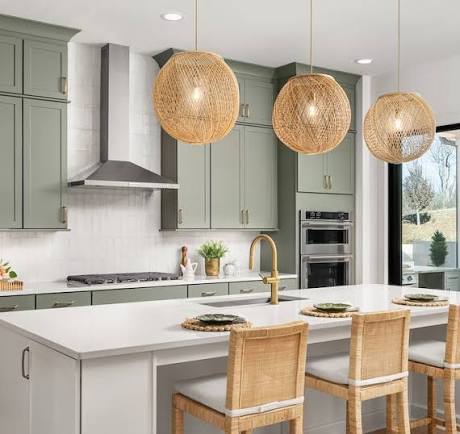
A timeless kitchen combines lasting style with practical features that remain useful as household needs change. While design trends come and go, certain choices continue to look attractive because they focus on simplicity, comfort, and quality. Homeowners planning a new kitchen or updating an existing one can benefit from selecting finishes and layouts that will not feel outdated after a few years.
A balanced color palette is a good starting point for a timeless interior. White, warm beige, soft gray, and natural wood tones provide a versatile foundation that works with different decorating styles. These shades can make the kitchen feel bright without creating an overly decorative appearance. Homeowners who prefer stronger colors can introduce them through accessories, stools, artwork, or small appliances that are easier to replace than permanent fixtures.
Cabinet design has a major influence on the overall character of the kitchen. Simple cabinet doors with clean lines are generally easier to coordinate with changing interior styles. Shaker-style cabinets, for example, offer a traditional appearance that can also work in contemporary spaces. Natural wood finishes introduce warmth, while painted cabinets provide flexibility in color selection. Choosing durable hinges, handles, and drawer systems is equally important because cabinets experience frequent daily use.
Natural materials can help create a welcoming atmosphere. Wood adds warmth to shelves, flooring, and selected cabinet details, while stone surfaces introduce texture and visual variation. However, every material has different maintenance requirements. Natural stone may need periodic sealing, and wooden surfaces can require protection against moisture. Understanding these needs before installation helps homeowners choose finishes that match their available maintenance time.
The kitchen layout should be planned around comfort rather than appearance alone. A clear working route between the refrigerator, sink, and cooking area can make food preparation more efficient. Cabinets and appliances should be positioned so their doors can open without blocking walkways. In larger kitchens, an island may provide additional preparation space and casual seating. Smaller rooms may benefit more from a peninsula or a compact movable cart.
Lighting is one of the most effective ways to improve a kitchen without changing its entire structure. A combination of ceiling lights, under-cabinet fixtures, and decorative pendants can provide illumination for different activities. Natural daylight should also be encouraged wherever possible. Window coverings that allow light into the room while maintaining privacy can make the kitchen feel more pleasant throughout the day.
Storage solutions should be designed to support long-term organization. Deep drawers can accommodate cookware, while adjustable shelves make it easier to store items of different sizes. Pantry cabinets provide a dedicated location for groceries and dry ingredients. Built-in organizers can make corner spaces more accessible and reduce the amount of unused storage area. A well-organized kitchen is easier to clean and more comfortable to work in.
Countertop selection should balance appearance, durability, and budget. Quartz, granite, solid-surface materials, and laminate are among the available options. Each has its own advantages, so homeowners should compare resistance to stains, heat, scratches, and everyday wear. A neutral countertop often offers greater flexibility because it can complement different cabinet colors and backsplash designs over time.
A timeless kitchen also benefits from reliable appliances. Rather than selecting equipment based only on appearance, consider capacity, energy use, ease of cleaning, and available features. Stainless steel appliances remain a popular choice because they coordinate with many interior styles. Integrated appliances can create a streamlined appearance, although their installation and replacement costs should be considered before making a decision.
Small decorative details can complete the design without overwhelming the room. Simple pendant lights, attractive cabinet handles, indoor herbs, and carefully selected accessories can introduce personality. Keeping decorations limited to a few meaningful pieces allows the kitchen’s materials and layout to remain the main focus.
Ultimately, a timeless kitchen is created through thoughtful planning and practical decisions. Neutral colors, durable materials, efficient storage, balanced lighting, and a comfortable layout can provide a strong foundation for years of use. By prioritizing quality and everyday convenience over short-lived trends, homeowners can create a kitchen that continues to feel welcoming, attractive, and functional.
Leave a Reply